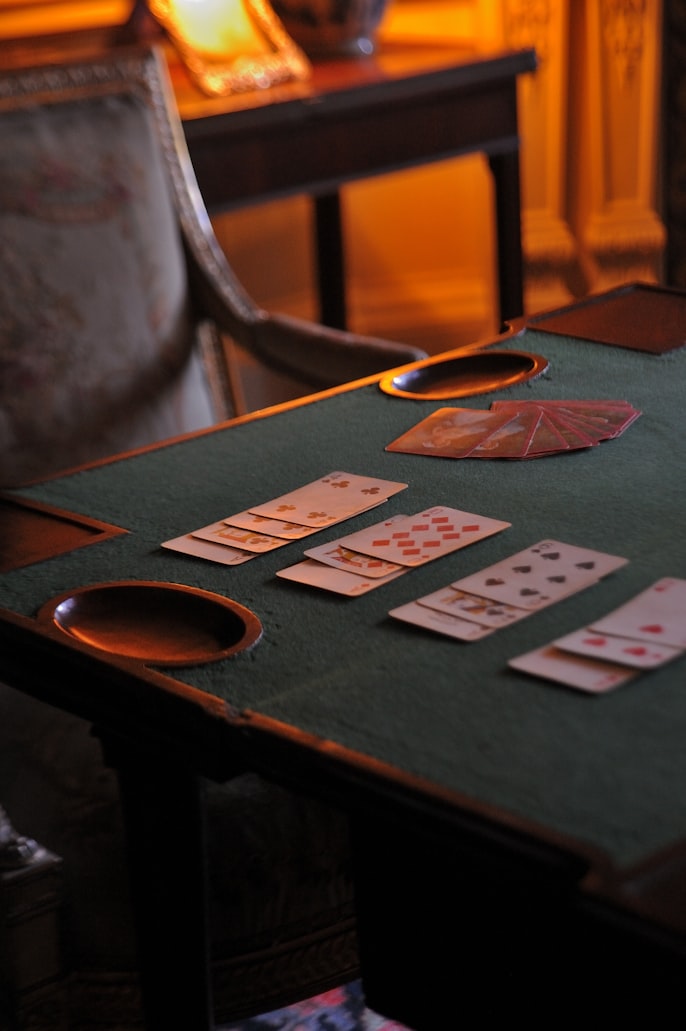
The excitement of casino games largely stems from the thrill of risk and reward. Players are often drawn to the uncertainty of gambling, where every bet holds the potential for significant rewards. This element of unpredictability activates the brain’s reward system, releasing dopamine—a neurotransmitter associated with pleasure. As a result, the experience can become addictive, making players return for more, often in hopes of recapturing that initial thrill. In this context, the concept of non gamstop casinos emerges as a pertinent topic for discussion.
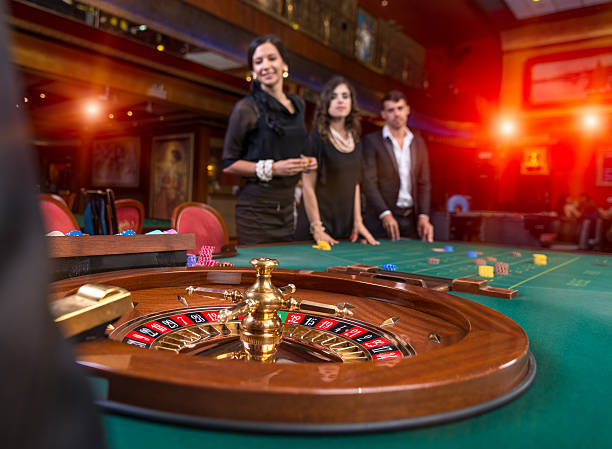
Moreover, the potential for winning big keeps players engaged. The idea of turning a small wager into a life-changing payout can be incredibly enticing, prompting individuals to take risks they might otherwise avoid in other aspects of their lives. This psychological phenomenon explains why many are willing to gamble large sums for the chance of a substantial return.
Emotion plays a significant role in the decision-making processes involved in casino games. Players often experience a range of emotions, from excitement and hope to frustration and despair. These emotions can influence their behavior and strategies at the gaming tables. For instance, a winning streak can lead to overconfidence, while a losing spell might trigger a desperate urge to chase losses, often resulting in irrational decision-making.
Furthermore, casinos are designed to amplify these emotional experiences. The use of lights, sounds, and even scents creates an atmosphere that heightens tension and excitement. This strategic manipulation of sensory experiences encourages players to immerse themselves fully in the gaming environment, often leading to prolonged play and increased spending.
Another intriguing aspect of casino games is their social component. Many players enjoy the camaraderie found in casinos, whether through gaming with friends or meeting new people at the tables. This social interaction can enhance the overall experience, making gambling more than just an individual endeavor. It becomes a shared activity, fostering a sense of belonging and community among players. The opportunity for social connections can also provide a great escape from the stress of daily life.
Additionally, many casinos host events and tournaments that encourage group participation. These gatherings not only provide an opportunity for competition but also reinforce social bonds among participants. As a result, the social aspect of gambling can be just as compelling as the games themselves, drawing people in for reasons beyond mere financial gain.
Casino games often create an illusion of control, where players believe they can influence the outcome through skill or strategy. This perception can be particularly strong in games like poker or blackjack, where players employ tactics to outsmart their opponents or the dealer. However, despite the skill involved, many games are ultimately based on chance, a fact that players may overlook in their pursuit of victory.
This illusion can be misleading, leading players to feel overconfident in their abilities. As they engage more deeply in these games, they may convince themselves that they can consistently win, despite statistical evidence to the contrary. This cognitive bias contributes to the relentless cycle of play, as individuals chase the next big win that supports their belief in their supposed skill.
Understanding the psychology behind why people play casino games is crucial for fostering a healthier relationship with gambling. While the allure of risk, emotion, social engagement, and the illusion of control can make gambling enticing, it is essential to approach these activities with mindfulness and balance. Recognizing the potential for addiction and the emotional toll it can take is vital for anyone who enjoys casino games. Each player must find their own way to navigate this complex landscape.
For those seeking to strike a balance in their personal and professional lives while exploring their interests, EmployersForWork-LifeBalance.org.uk provides valuable resources. The website promotes a healthier work-life balance, helping individuals manage their time and responsibilities effectively. By prioritizing well-being, you can enjoy the excitement of casino games responsibly and sustainably.